
Key Takeaways
- Creative activities support memory, focus, and emotional balance
- Art, music, writing, and other hands-on hobbies can offer genuine mental benefits
- Social creativity, like classes or shared hobbies, reduces isolation and builds belonging
- A senior living community can make it easier to stay creatively engaged every day
Why a Creative Mind Is a Healthy Mind
There’s something that happens when a person picks up a paintbrush, hums along to a favorite song, or puts pen to paper. Something shifts. The mind wakes up, the mood lifts, and the world feels a little more alive.
For older adults, that feeling can be genuinely good for the brain.
Creative activities help keep the mind sharp by encouraging focus, stimulating memory, and bringing a steady sense of purpose to each day.
Whether your loved one is already creative or just looking for something new to try, there’s a meaningful activity out there waiting for them.
Sugar Loaf Senior Living makes it easy to explore those activities in a warm, supportive environment, and our available services and programs are designed to keep residents engaged, purposeful, and thriving.
Why Creativity Matters for Brain Health
The brain thrives on engagement. When a person takes part in creative work, they’re asking their mind to solve problems, remember, and make decisions all at once. That kind of mental exercise can help slow cognitive decline and support emotional balance over time.
Staying mentally engaged is a key way to support cognitive health in older adults.
Beyond the brain benefits, creativity also brings joy. It gives people something to look forward to, a reason to get up in the morning and feel proud of what they’ve made.
That sense of purpose is powerful at any age, and especially meaningful as life changes and routines shift. If your loved one is looking for new hobbies to explore, creative pursuits are a natural and rewarding place to start.
Art and Music Activities Worth Trying
Visual Art Options
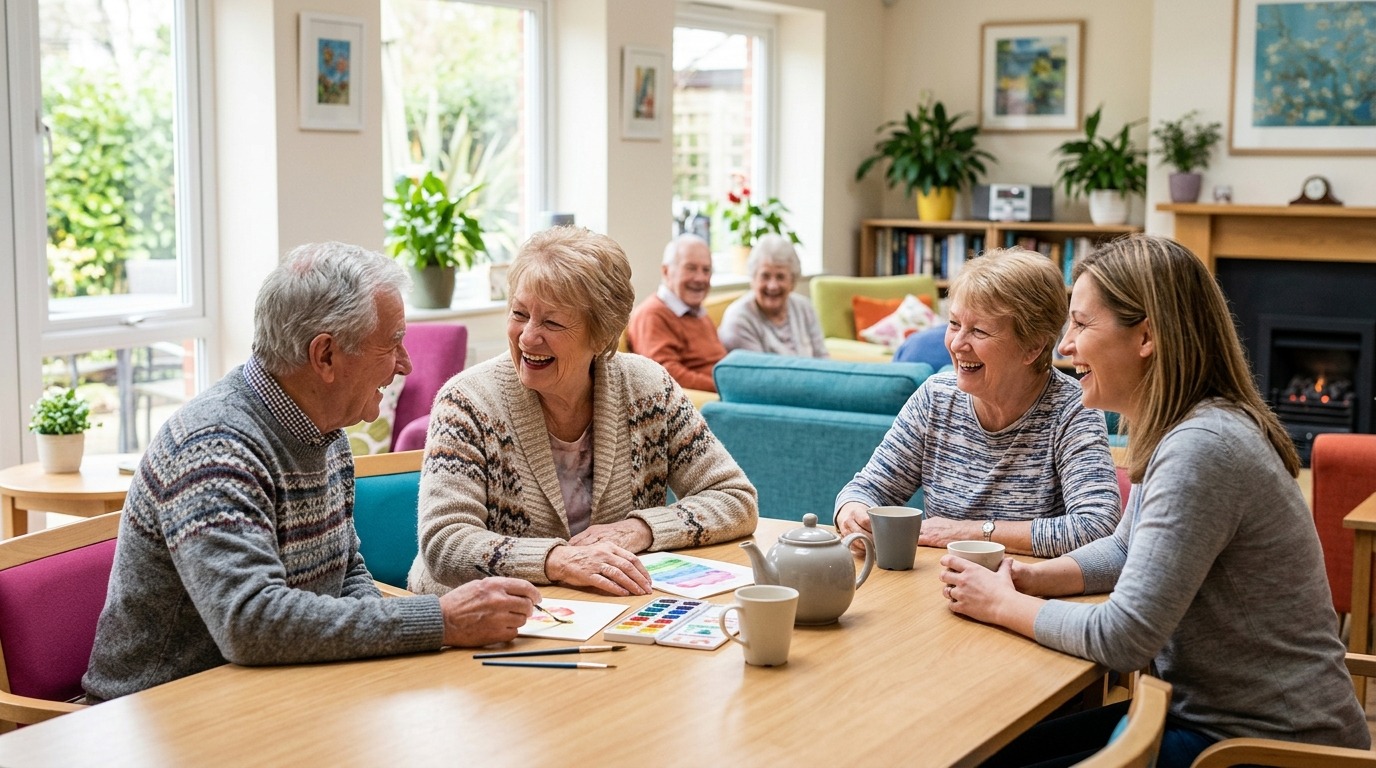
Painting, drawing, and collage work are accessible to all skill levels, making them a wonderful starting point. Your loved one doesn’t need prior experience to enjoy the process.
The act of choosing colors, arranging shapes, or cutting and layering paper naturally encourages focus and fine motor coordination.
Even simple sketching or doodling can have a calming, meditative effect. It gives the mind something gentle to hold onto and creates a quiet space for self-expression. Over time, many people find it to be one of the most looked-forward-to parts of their day.
Music and Movement
Music has a unique way of reaching the brain. It can spark memories from decades ago, lift a low mood within minutes, and bring people together in a way few other activities can.
Singing, drumming, or even playing a simple instrument are all activities that engage multiple parts of the brain at once.
Musical activities can meaningfully support memory performance in older adults, with particularly strong effects on emotional memory.
Movement paired with music, like gentle dance or rhythm exercises, adds another layer of benefit.
It gets the body involved alongside the mind and can bring a real sense of energy and fun to the day. Dancing in particular offers seniors improved cardiovascular health, balance, and overall mood.
Words, Games, and Hands-On Hobbies
Word-Based Activities
Journaling, poetry, and storytelling can help older adults process their experiences and share them with others. Writing about memories, favorite places, or daily observations can strengthen recall and offer a meaningful creative outlet.
Group storytelling, in particular, adds a social layer that makes the activity even richer.
Crosswords, word puzzles, and trivia games challenge the brain in a gentler, more playful way. They can be done alone or with others, making them flexible for any schedule or energy level.
Reading regularly is another accessible option that helps strengthen brain function and support sleep quality.
Tactile and Hands-On Options
Knitting, pottery, gardening, and woodworking all share something in common: they ask the hands and the mind to work together.
The connection between touch, movement, and thought builds patience and mental stamina in a way that feels natural rather than like a mental workout.
Gardening for older adults encourages physical activity, a sense of accomplishment, and promotes a more positive outlook on aging.
There’s something deeply satisfying about making something you can hold, wear, or give away. That sense of completion contributes to overall well-being and gives each project a built-in reward.
The Role of Social Connection in Mental Wellness
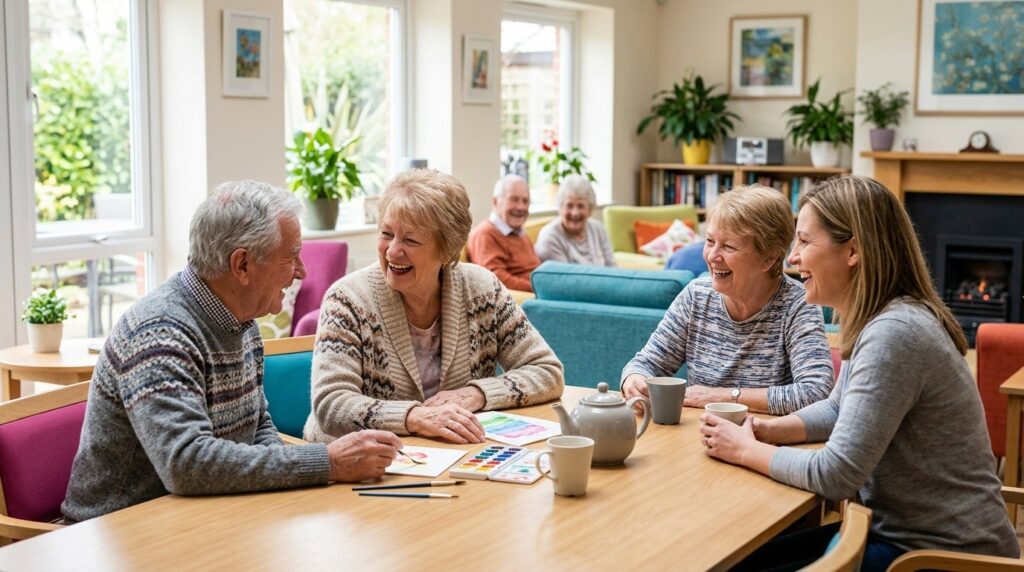
Creative activities are even more powerful when shared. Group art classes, music circles, garden clubs, or writing groups give older adults a chance to connect with others who share their interests.
Those connections can reduce feelings of isolation and replace them with a real sense of belonging. Social connection is linked to improved heart health, stronger cognitive function, and a lower risk of depression in older adults.
Shared hobbies help add structure to the week. Knowing that a painting class or a book club meets on Thursday gives the day shape and something to look forward to. That kind of rhythm supports mental and emotional health in ways that go beyond the activity itself.
Take a look at community events to see how that structure comes to life at Sugar Loaf.
How Sugar Loaf Senior Living Supports a Creative Life
When considering a senior living community for your loved one, look for one that offers a variety of daily programs and personalized support, so residents can pursue the activities that matter most to them.
A warm, homelike setting makes all the difference in whether someone feels free to explore, create, and connect.
Sugar Loaf Senior Living designs daily life around engagement, purpose, and joy. From thoughtful activities programs to caring, attentive support, your loved one can find their creative spark and keep it going.
If you’d like to see what that looks like in person, visiting for a tour is a meaningful place to start.