

Key Takeaways
- Assisted living helps older adults maintain independence by providing support with daily tasks while preserving routines and personal choice.
- Personalized care plans allow residents to receive the right level of assistance as their needs change over time.
- Wellness support and medication management can help reduce avoidable health complications and support long-term stability.
- Accessible living environments with safety features help residents move around more confidently and comfortably.
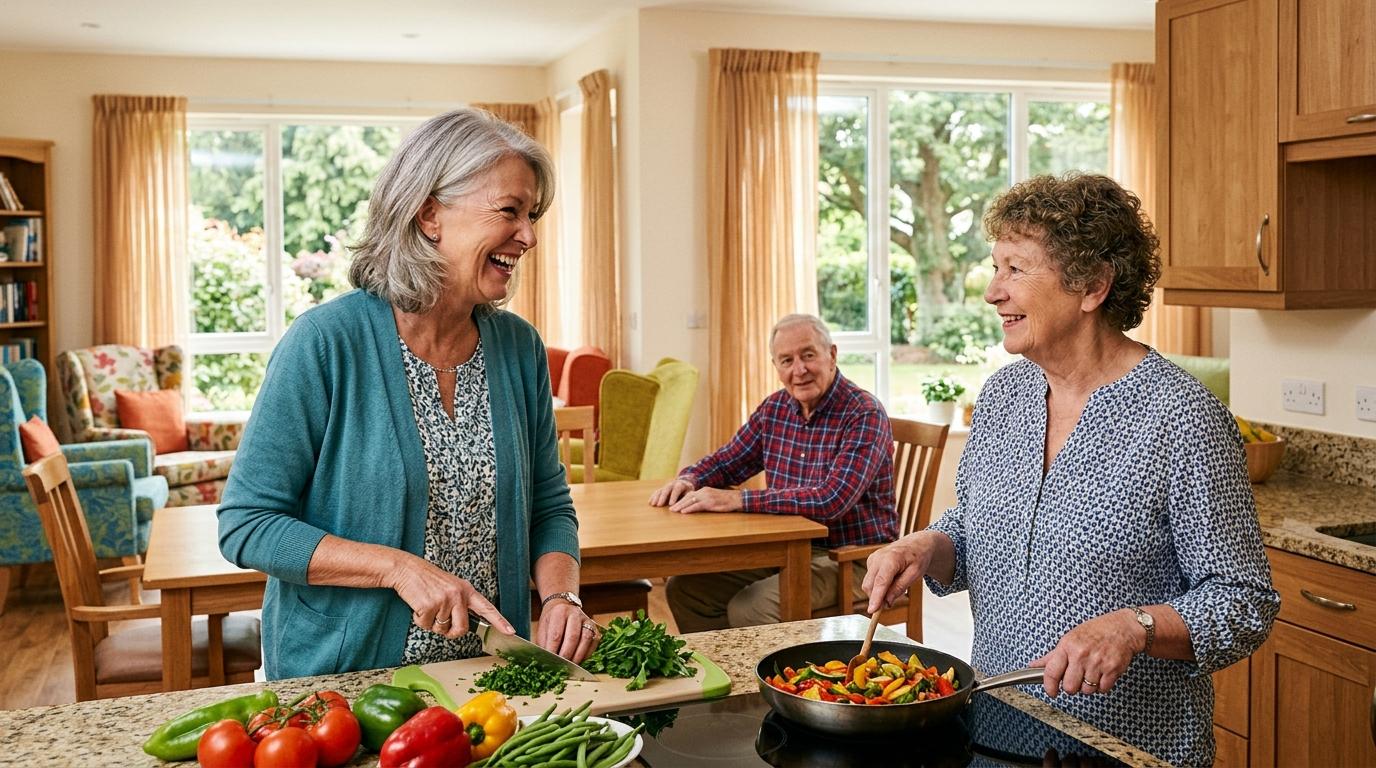
- Social programs, group activities, and shared meals help older adults stay engaged and connected to their community.
How Assisted Living and Independence Work Together
Many families worry that moving into assisted living means giving up independence. After years of living at home, maintaining routines, and managing daily responsibilities alone, the idea of accepting support can feel like a major change for both older adults and their families. Adult children often worry that a move will limit their loved one’s freedom or take away parts of the life they value most.
In reality, the right support often helps older adults maintain independence longer. When everyday responsibilities become easier to manage, many people have more energy for hobbies, social activities, wellness, and time with family. Assisted living is designed to reduce unnecessary stress while helping residents continue living comfortably, safely, and confidently.
What Independence Really Means for Older Adults
Independence does not always mean doing everything alone. For many older adults, independence is about maintaining choices, routines, privacy, and the ability to stay engaged in daily life. It can mean choosing how to spend the day, enjoying favorite activities, staying socially connected, or continuing long-standing habits and routines.
As physical needs change with age, certain daily tasks may become more difficult or exhausting. That does not mean a person loses their sense of self or ability to make decisions. Assisted living communities support independence by helping residents manage the tasks that have become harder while allowing them to stay active and involved in the parts of life that matter most.
How Assisted Living Supports Independence
Assisted living communities are designed to provide support without taking over daily life. Residents still make choices about how they spend their time, participate in activities, and maintain their routines. The goal is to offer the right level of assistance while helping older adults stay as active, comfortable, and independent as possible.
Support With Daily Tasks While Maintaining Routine
Tasks like housekeeping, laundry, bathing, and meal preparation can become physically exhausting with age. Assisted living provides support with those responsibilities while allowing residents to maintain their routines and personal preferences. Residents still choose how they spend their day while receiving help where it’s needed most. That balance often makes it easier to stay active, social, and engaged in everyday life.
Medication and Wellness Support That Prevents Setbacks
Managing medications, appointments, and changing health needs can become more difficult over time. Assisted living communities provide wellness support and personalized care plans that help residents stay healthier and avoid unnecessary complications. At Sugar Loaf Senior Living, Lifespark COMPLETE focuses on proactive support that helps residents maintain stability in their daily lives. Consistent wellness support can help older adults remain independent longer.
Safer Living Environments That Encourage Confidence
Safety concerns can affect independence long before a serious fall or injury occurs. Assisted living communities are designed with accessibility features like grab bars, emergency response systems, and easier-to-navigate layouts that help residents move around more confidently. Staff availability also provides added peace of mind for residents and families. A safer environment often helps older adults stay more active and involved in daily life.
Social Opportunities That Keep Residents Engaged
Isolation can affect emotional well-being, motivation, and overall quality of life for older adults living alone. Assisted living communities provide regular opportunities for connection through group activities, shared meals, fitness programs, outings, and social events. These daily interactions help residents stay engaged and connected to the people around them. Having a built-in community also gives many older adults a stronger sense of routine and belonging.
Signs It May Be Time to Explore Assisted Living
The need for additional support often develops gradually. Families may notice small changes before a major health event occurs. Recognizing those signs early can help older adults transition into assisted living before daily life becomes overly stressful or unsafe.
Common signs may include:
- Missed medications or forgotten appointments
- Difficulty preparing meals or keeping up with housekeeping
- Increased isolation or withdrawal from social activities
- Mobility concerns or recent falls
- Trouble managing personal hygiene or daily routines
- Growing caregiver stress within the family
- Unexplained weight loss or changes in health
Needing additional support is not a sign that someone has failed or lost their independence. In many cases, assisted living provides the structure and assistance needed to help older adults remain active, social, and engaged in daily life.
How to Talk to a Loved One About Assisted Living
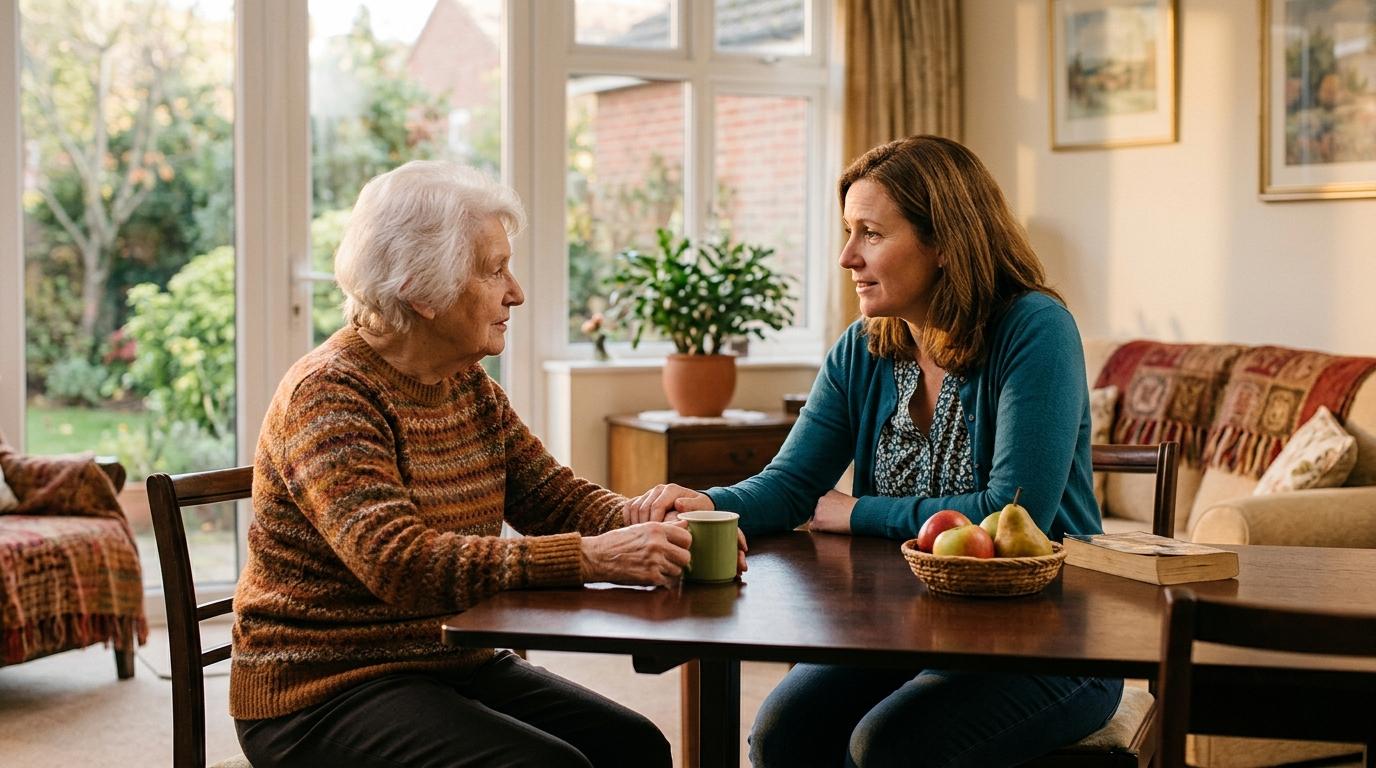
Conversations about assisted living can feel emotional for both older adults and their families. Many people worry about losing familiarity, routines, or control over their daily lives. Starting the discussion with empathy and patience often leads to more productive conversations.
It can help to focus on the benefits of support rather than the idea of giving something up. Instead of centering the discussion around limitations, focus on comfort, safety, reduced stress, and opportunities for connection. Asking questions and listening carefully to your loved one’s concerns can also help them feel more involved in the decision-making process.
Maintaining Independence With the Right Support
For many older adults, assisted living is not about giving up independence. It is about receiving the right level of support to continue living comfortably, safely, and confidently. Help with daily tasks, wellness support, social engagement, and accessible living environments can all make it easier to stay active and connected to daily life.
At Sugar Loaf Senior Living, residents receive personalized support designed to help them maintain their routines, interests, and sense of independence. Through compassionate care, engaging programs, and a welcoming community environment, older adults can continue enjoying the lifestyle that matters most to them. Schedule a tour with us today to learn how assisted living can help your loved one maintain independence with the right support.